

Typing best pabellon criollo near me into a search box takes two seconds. Knowing whether the plate that turns up is the real Venezuelan dish takes a little longer — and that is exactly what this guide is for.
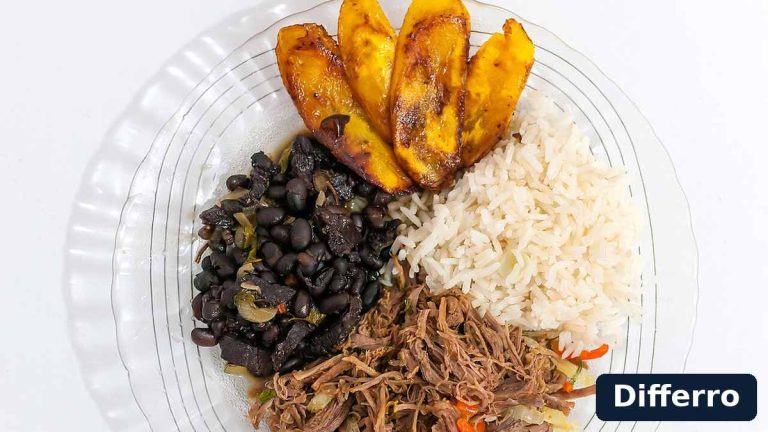
Pabellón criollo is Venezuela’s national dish: shredded beef, black beans, white rice and fried plantains sharing one plate. Get all four parts right and it is unforgettable; get one wrong and it is just rice and beans.
Below, you will learn what belongs on the plate, which menu words give a kitchen away, and the questions worth asking before you order. No invented restaurant names or ratings — just a reliable way to judge any plate.
What Is Pabellón Criollo?
The dish comes out of Venezuela’s colonial-era kitchens, where Native American, Spanish and African cooking traditions met on one plate. The beans and plantains carry the indigenous and African side of that meeting; the beef and rice arrived with the Spanish.
Venezuelans treat pabellón criollo as their national dish, and in 2019 their government formally declared it part of the country’s intangible cultural heritage. For Venezuelan families living abroad, it is often the first meal cooked when homesickness bites.
Criollo simply means local or home-grown in this context — the everyday plate of the country, not a chef’s invention. That is why home-style places, rather than fine dining rooms, usually serve the most convincing version.
Pabellón Criollo at a Glance
The whole plate at a glance, before the detail:
| Part | Spanish name | What to expect |
|---|---|---|
| Shredded beef | Carne mechada | Slow-cooked flank or skirt, pulled into strands and stewed |
| Black beans | Caraotas negras | Stewed until soft and savoury, sometimes finished with grated cheese |
| White rice | Arroz blanco | Plain and fluffy, the calm base of the plate |
| Fried plantains | Tajadas | Ripe, sliced and fried until the edges caramelise |
If a menu listing is missing one of the four, it may still be a good lunch — but it is not the full pabellón. The sections below break each part down.
The Four Parts of an Authentic Pabellón Criollo
Each part is simple on its own. The skill is in the balance: savoury beef, earthy beans, plain rice and sweet plantain in every forkful, which is why documented versions such as the traditional pabellón criollo recipe all build on the same four parts.
Carne Mechada: The Shredded Beef
The beef is usually flank or skirt, simmered until it can be pulled into fine strands — mechada describes that shredded texture. It then goes back into a stew of onion, pepper, garlic and tomato.
Look for strands, not cubes or mince. A plate built on sliced steak or ground beef may taste fine, but it is not carne mechada, and the texture gives it away instantly.
Cut and cooking method change beef completely, as any side-by-side tasting shows — our beef vs pork pastrami breakdown makes the same point with cured cuts.
Caraotas Negras: The Black Beans
The beans are black beans stewed until tender, seasoned simply and served in their own section of the plate. In Venezuela they are called caraotas negras, and they are non-negotiable.
Some families stir in a pinch of sugar; others finish the beans with grated white cheese. Both are recognised home variations, so neither one should count against a kitchen.
Arroz Blanco: The White Rice
The rice is plain white rice, cooked fluffy and separate. It is the quiet part of the plate, there to carry the beef’s sauce and the beans’ richness without competing with either.
Yellow rice, fried rice or rice mixed with vegetables signals a different dish entirely. On a pabellón plate, plain is correct — save the seasoned rice for another order.
Tajadas: The Fried Plantains
Tajadas are slices of ripe plantain, fried until golden with caramelised edges. They bring the sweetness that balances the savoury beef and beans, and the plate feels unfinished without them.
Ripeness is the test: the plantain should be yellow with dark spots, soft and sweet. Green, starchy slices fried the same way are tostones — a fine side dish, but a different one.
Plantains confuse people because they cook like a vegetable while growing like a fruit — the same botanical grey area covered in our squash fruit or vegetable explainer.
How to Search for Pabellón Criollo Near You
Start with the dish name itself, in Spanish. Searches for “pabellón criollo” and “pabellon venezolano” surface Venezuelan kitchens that a search for “shredded beef plate” will never find.
Then widen the net. Venezuelan restaurants, arepa bars and Latin American delis are the three likeliest homes for it, and many serve it as a weekend special rather than a daily menu item.
If a place lists arepas and cachapas but no pabellón, ask anyway. Small family kitchens often cook it on request or on Saturdays, and one phone call settles the question.
How to Read the Menu Like a Local
The menu name carries clues. “Pabellón con barandas” is the version with tajadas arranged along the sides of the plate — barandas means railings, and the plantain slices are jokingly said to stop the food falling off.
A fried egg on top is another recognised variant, sometimes listed as pabellón a caballo. Regional swaps exist too: in parts of Venezuela the beef gives way to fish or even capybara during Lent.
What should raise an eyebrow is substitution of the core four: red beans for black, sliced steak for shredded, or plantains missing altogether. Those are different plates wearing the name.
What Reviews Can and Cannot Tell You
Reviews help most on the details photographs cannot fake. Look for mentions of the beef being shredded, the beans being black, and the plantains arriving sweet and soft rather than crisp.
Food photographs in reviews are worth more than star counts. A genuine plate shows four distinct sections; a mixed-up mound where everything is stirred together is a warning sign.
Treat complaints about sweetness carefully. Newcomers sometimes mark a place down for sweet plantains, when that sweetness is exactly what the dish is supposed to deliver.
Questions to Ask Before You Order
Three short questions separate the real thing from an imitation, and any kitchen proud of its pabellón will answer them happily:
- Is the beef shredded (mechada), and which cut do you use?
- Are the beans black beans, stewed in-house?
- Does it come with tajadas, or are plantains an extra?
- Is the pabellón a daily dish or a weekend special?
Vague answers are an answer too. A cook who can describe the beef cut and the bean pot in one breath is almost certainly serving the genuine plate.
Common Mistakes When Hunting for Pabellón Criollo
The first mistake is ordering by the photograph alone. Stock pictures travel between menus, and the plate that arrives can differ from the glossy image beside the listing.
The second is accepting the first Latin American restaurant that appears. Plenty of excellent kitchens from other countries serve rice, beans and beef — but their national plates are their own dishes, not a pabellón.
The third is skipping the plantain check. Tajadas are the part most often dropped or swapped, and they are also the part that makes the plate taste like itself.
Frequently Asked Questions
What are the four parts of pabellón criollo?
Shredded beef (carne mechada), black beans (caraotas negras), white rice and fried ripe plantains (tajadas). All four belong on the same plate, served in separate sections.
Is pabellón criollo the national dish of Venezuela?
Yes. It is widely regarded as Venezuela’s national dish, and in 2019 the Venezuelan government declared it part of the country’s intangible cultural heritage.
What does pabellón con barandas mean?
It is the version served with tajadas, the fried plantain slices. Placed along the edges of the plate, they are jokingly called barandas — railings that keep the food from falling off.
Can pabellón criollo come with a fried egg?
Yes. A fried egg on top is a recognised variant, and some regions swap the beef for fish, especially during Lent. The beans, rice and plantains stay the same.
What should I do if no restaurant near me serves it?
Ask at the nearest Venezuelan or Latin American kitchen — many cook it as an unlisted weekend special. Failing that, it is a patient home cook: four simple parts and no rare ingredients.
Conclusion
Finding the real plate is a checklist, not luck: shredded beef, black beans, white rice and sweet fried plantains, cooked by someone who knows why each one is there.
Search in Spanish, read the menu for barandas, ask the short questions, and let the photographs in reviews confirm it. The best pabellon criollo near me is the plate that passes all four checks.

