

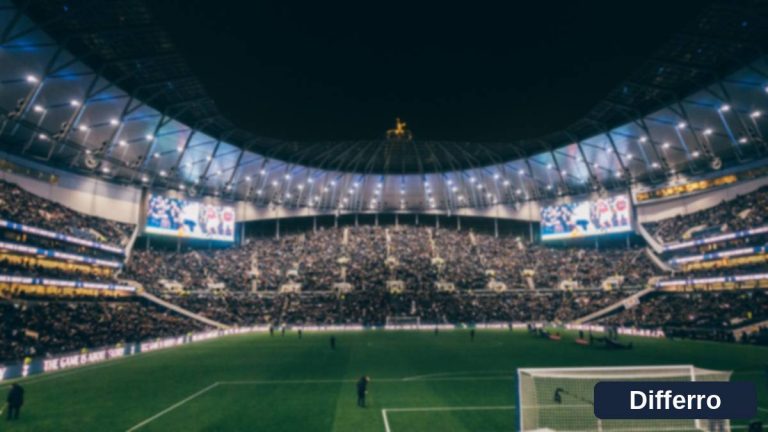
This premier league winter matches travel guide exists because the festive fixture list is the most rewarding — and the most demanding — trip of the English season.
Between Christmas and New Year, fixtures pile up, trains thin out and kick-offs shift for television. Tickets are digital, scarce and controlled, and the weather tests everything from your phone battery to your footwear.
What follows covers the whole journey: ballots and official exchanges, turnstile protocol, dressing for two stationary hours, rail backups and the pre-match pub. Plan these properly and winter becomes an advantage, not an obstacle.
Why the Festive Schedule Piles Up So Fast
England famously keeps playing while most European leagues pause for a winter break. Boxing Day football is a tradition stretching back to the Victorian era, and it anchors the crowded festive calendar.
Clubs can face four matches in under two weeks. Broadcasters then spread those fixtures across different days and kick-off times, which complicates every travel plan built around them.
It is also when the season’s story sharpens. Title races tighten, squads stretch, and the players at the centre of arguments like Messi vs Ronaldo are on show twice in a week.
Premier League Winter Matches at a Glance
The whole trip on one page, before the detail:
| Part of the trip | What winter changes | Your move |
|---|---|---|
| Fixtures | Several rounds between Christmas and New Year; kick-offs move for TV | Treat times as provisional until confirmed |
| Tickets | Membership ballots and official exchanges only | Join the membership early; never buy from strangers |
| Entry | Live digital passes; screenshots usually fail | Keep the pass in your wallet app and the phone warm |
| Trains | No Christmas Day service; thin Boxing Day timetable; engineering works | Check National Rail before you travel, and on the day |
| Weather | Pitches are protected; journeys are the weak point | Build a backup route and a time buffer |
Every row gets a section below. The pattern running through all of them is the same: winter rewards the supporter who decides early and stays flexible.
The Technological and Legal Frameworks of Winter Ticketing
Paper tickets have effectively disappeared from top-flight football. Entry now runs through club apps and mobile wallets, and the old habit of finding a spare ticket outside the ground has gone with them.
The law backs the clubs up. Reselling a football ticket without authorisation is a criminal offence under Section 166 of the Criminal Justice and Public Order Act 1994, so the stranger selling spares online is asking you to join him in breaking it.
Most clubs sell through memberships, with high-demand matches allocated by ballot. Festive fixtures are among the most oversubscribed of the season, so casual visitors should expect competition for every seat in the ground.
Secondary Market Access and Escrow Ticket Verification
When ballots fail, the safe route is the club’s official ticket exchange or an authorised resale partner. These platforms transfer the ticket into your name through the club’s own system, so the turnstile accepts it.
Proper exchanges hold the buyer’s money back until the ticket has been used successfully. That escrow-style protection removes the profit from selling a fake or duplicated pass, which is exactly why scammers avoid them.
Start from the Premier League’s official ticket information and follow the links to each club’s authorised sellers. If a platform cannot be verified against official channels, walk away, however good the seat looks.
Stadium Architecture, Winter Conditions, and Turnstile Protocols
Modern turnstiles read a live digital pass from your phone, usually through a wallet app. Screenshots and printouts are commonly rejected, because the code on the pass refreshes as you approach the gate.
Cold weather is a genuine entry risk: phone batteries drain faster in freezing temperatures. Keep your device charged, warm and in an inside pocket until the moment you reach the gate.
Expect airport-style checks outside the bowl. Many grounds limit bags to roughly A4 size, operate cashless concessions and open turnstiles well before kick-off, so arrive earlier than feels necessary.
Dressing for Ninety Minutes in the Cold
Stands are exposed, and you will sit or stand almost still for two hours. Thermal layers, a waterproof outer coat, gloves and a hat matter far more than fashion on a night like this.
Choose footwear for icy concourses and wet pavements, not just the walk from the station. Waterproof shoes with real grip prevent the most common winter matchday injury: a slip on the way in.
A small power bank is as essential as a scarf. It protects your ticket, your travel apps and your route home if the evening runs late or the trains run later.
Common Mistakes That Ruin a Winter Matchday
The first mistake is trusting the first train that gets you there in time. In winter, that train is the one most likely to be cancelled, delayed or full to the doors.
The second is buying from whoever offers a seat on social media. Unauthorised resale is illegal, the passes circulating there are often duplicated, and the turnstile gives the verdict in front of a queue.
The third is dressing for the walk instead of the seat. Ninety stationary minutes in freezing air punish light jackets and fashion trainers long before the second half begins.
Winter Transit Networks and Strategic Dispersal
Holiday timetables shrink the network exactly when demand peaks. Trains do not run on Christmas Day, Boxing Day services are limited, and Network Rail concentrates major engineering works into the festive window.
Check National Rail before you travel, and again on the morning of the match. Snow and fog can suspend local tram and rail services with very little warning.
After full-time, the nearest station is usually the slowest route home. Walking twenty or thirty minutes to a larger station, as many Manchester City fans do towards Piccadilly, often beats the queue.
If Your Train Is Cancelled: Backup Plans That Work
Decide your fallback before you leave home. Know the last train, the coach alternative and one taxi option, so a cancellation becomes a simple swap rather than a crisis.
Travel earlier than the timetable says you must. In winter, the train you need is the one before the one that gets you there just in time.
If a fixture matters most, stay the night in the match city. A hotel removes the return journey from the equation entirely and turns disruption into a lie-in.
Making a Weekend of It: Two Matches, One Trip
The festive pile-up has one genuine upside: with rounds falling days apart, a single trip can take in two matches. The North West and London both offer clusters of grounds within easy reach.
Plan the harder journey first — the match with the thinnest train service or the latest kick-off — and build the second fixture around it. Keep one free evening as insurance against a moved kick-off.
Book refundable rooms where you can. A kick-off shifted for television can strand a rigid itinerary, while a flexible booking simply slides a day in either direction.
Local Fan Hubs and Pre-Match Pub Strategy
The pre-match pub is part of the ritual, but venues near grounds commonly operate home-fans-only doors. Staff may ask to see a home ticket before letting you in, so check before you settle.
Near Manchester City’s ground, Mary D’s on Grey Mare Lane and The Townley on Albert Street are long-standing City pubs. Both fill early on matchdays, so arrive well before kick-off.
Away supporters are usually better served in the city centre, where large neutral pubs show the early matches on screen. From there, the tram or a half-hour walk reaches the stadium.
Extra Tips for Supporters Travelling From Overseas
Membership is not a UK-only product: overseas supporters can join club schemes and enter the same ballots. Do it early, because festive ballots are the most contested of the season.
Download the club app and add your pass to your phone’s wallet before you fly. Roaming failures and airport Wi-Fi are poor places to discover a login problem on matchday.
Finally, insure the journey, not just the ticket. A postponed match or a cancelled train costs far more from overseas, and flexible bookings are the cheapest protection available.
Frequently Asked Questions
How far ahead do festive fixtures go on sale?
Membership ballots for Christmas and New Year matches usually open weeks in advance, and confirmed kick-off times can change later for television. Join the club’s membership scheme early and watch for the ballot windows.
Can I get in with a screenshot of my ticket?
Usually not. Most top-flight clubs use live digital passes whose codes refresh, so screenshots fail at the turnstile. Keep the pass in your phone’s wallet and your battery charged and warm.
What happens if snow postpones my match?
Postponements are rare, because Premier League rules require undersoil heating at every ground. Travel disruption strands more supporters than pitches do. Tickets normally stay valid for the rearranged date; check the club’s announcement for refunds.
Is it safe to buy tickets through social media?
No. Unauthorised resale is illegal, and social media is where duplicated and fake passes circulate. Use the club, its official exchange or an authorised partner, and nobody else.
Can away supporters sit in the home sections?
It is a bad idea. Grounds are segregated, and clubs routinely cancel tickets bought for the wrong areas when checks reveal them. Buy through the away allocation or the official exchange instead.
Conclusion and Final Matchday Recommendations
Winter matchdays reward preparation. Secure tickets through official channels, keep your phone charged and warm, and build generous buffers into every journey you make.
Dress for two stationary hours in freezing air, know your backup route home, and pick your pre-match pub with the door policy in mind.
Do that, and the festive schedule delivers exactly what it promises: full grounds, famous atmospheres and the best football of the English winter.

