

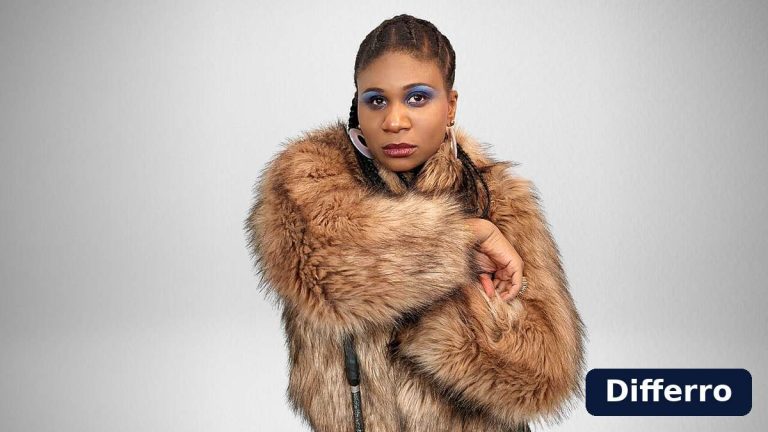
If you have been hunting for how to elevate winter looks outfit tips that survive real weather, you are not alone. By midwinter, most of us rotate the same coat, knit and boots and hope nobody notices.
The problem is rarely the wardrobe itself. It is the season: dark by five, icy pavements, and a diary where every event seems to demand a different version of you.
The method here is practical. Build a few base outfits you trust, adjust them for each occasion, and get the mechanics underneath right: layering order, proportion, colour and footwear.
Dress for the Occasion: Eight Winter Outfit Tips
Winter dressing is really eight different problems wearing one coat. A wedding, a work dinner and a market morning each punish a different mistake, so the tips below are organised by occasion.
| Occasion | The move that lifts the outfit |
|---|---|
| Wedding guest | Sleeves or a wrap, opaque tights, a long coat |
| Work event | One statement accessory and a structured blazer |
| Party | One shiny piece, everything else matte |
| Date night | Mixed textures, soft against sleek |
| Valentine’s Day | A colour you feel good in, not default red |
| Day trip | Three-stage layers and boots with grip |
Read the row for the event in front of you, then the mechanics sections after it. The same base outfit can serve three occasions once the swaps are right.
1. Build Three Base Outfits First
Choose three outfits you could put on half-asleep: a knit dress, tailored trousers with a fine knit, and dark jeans with a good top. These are your defaults when an invitation lands at short notice.
The elevating happens in the swaps. Change the coat, boots, bag or jewellery and the same base reads as work, dinner or party. You are styling one outfit three ways, not inventing three outfits.
Keep the three bases steamed, mended and ready to wear. An outfit that needs ironing or a missing button will lose to the same old jumper every time.
2. Weddings: Plan for the Cold, Not Just the Photos
A winter wedding means a chilly ceremony, a warm reception and a cold walk between the two. Dress for all three settings, not just the photographs: sleeves, a wrap, or a tailored jacket you can shed indoors.
Opaque tights are the quiet workhorse here, warming bare legs without changing the dress. If the ground is wet or uneven, travel in block-heeled boots and carry your heels for the reception floor.
Choose a coat that respects the outfit. A long wool coat over a midi dress looks intentional, while a short puffer fights it. Navy, forest green and burgundy photograph well in flat winter light.
3. Work Events: Smart Without Being Stiff
Office parties and client dinners sit between work and play, so dress slightly smarter than a normal day. A knitted co-ord, tailored trousers with a satin shirt, or a midi skirt with polished boots all land in the right zone.
Accessories work best with a hierarchy: one piece leads, the rest support. Statement earrings or a metal belt buckle, never both fighting for attention at once.
A structured blazer over the top keeps everything professional when you arrive. Take it off once you are settled, and the outfit relaxes with you.
4. Party Outfits: Pair Shine With Something Matte
Sparkle works best when it is balanced by something plain. A sequin top sharpens up with simple trousers, and a metallic skirt calms down with a soft, matte knit. One statement piece reads as deliberate; three read as costume.
Mind the journey between venues. A faux-fur or leather jacket keeps the look going outdoors, where a borrowed coat thrown over sequins kills it. And choose boots you can genuinely dance in until the last song.
5. Date Night: Mix Your Textures
Texture contrast is the cheapest elegance there is. Pair soft with sleek: a leather skirt with a brushed knit, or a satin slip dress under a chunky cardigan. Your eye reads the difference as effort, even within one colour.
Comfort is part of the effect. Pick something you can sit in through a long dinner without adjusting it every five minutes. Knee-high boots add polish and quietly keep your legs warm on the way home.
6. Valentine’s Day: Choose Feel-Good Over Cliché
Red is optional, whatever the card shops say. Burgundy, blush, soft pink and classic black all read as romantic, and confidence does more than any colour. Wear the outfit you already know suits you.
For dinner, a dress with boots and delicate jewellery is warm and finished. For a daytime date, try jeans, a soft knit and ankle boots, with a red lip as the one deliberate nod to the occasion.
7. Day Trips and Markets: Layer in Three Stages
Cold days outdoors are easier in three stages: a thin thermal or fitted top, a knit or fleece over it, then a padded or waterproof coat. That is the classic layered clothing system, and it works because each stage traps still air.
Boots with grip and proper warm socks matter more than the coat here, because cold rises from the ground. Add a hat, scarf and gloves you can stuff into a pocket when the café stop comes.
8. Prepare for the Next Season Now
Winter shows you the truth about your wardrobe. Notice which pieces you reach for weekly and which stay on the hanger untouched. Write down the gaps while you can still see them clearly.
Lightweight jackets — trench, denim, leather — plus ankle boots and lighter knits bridge the gap into spring. Before storing winter pieces, wash knitwear, condition leather boots, brush suede and empty every pocket.
End-of-season sales are the cheapest way to fix next winter. Buy the gap pieces you listed, in your size, while everyone else is shopping for spring.
Layer in the Right Order: Thin, Warm, Then Weatherproof
The order matters as much as the number of layers. Start thin and fitted against the skin, because a baggy base leaves cold air pockets. Merino or synthetic thermals beat cotton, which soaks up sweat, dries slowly and turns chilly against the skin.
Wool earns its place in that base layer: its fibres can absorb almost a third of their own weight in moisture before the fabric feels wet, which is why a merino top stays comfortable through a stop-start day.
The middle layer does the insulating: a knit, fleece or light padded gilet that traps warm air. The outer shell has a different job — blocking wind and rain — so one good coat can work over everything you own.
Balance Proportions When Your Coat Does the Talking
A heavy coat adds volume, so balance it deliberately. If the coat is long and wide, keep what shows below it slim: straight trousers, a pencil or column skirt, or boots that sit close to the leg.
Shorter coats flip the rule: they can carry a wider trouser or a fuller skirt underneath. The aim is one area of volume per outfit, so the shape looks chosen rather than accidental.
A belt over a coat brings back the waisted shape that padding hides, and it works on wool coats and trenches alike. Match the belt’s weight to the coat so it holds its line instead of sliding.
Use Colour Deliberately in Low Winter Light
Winter light is weak and grey, and it drains colour from outfits by mid-afternoon. Saturated shades hold up best: burgundy, bottle green, deep teal and true navy still read as colour after dark.
Keep your strongest colour near your face, where people actually look. A scarf or jumper in a shade that flatters you does more for a tired January complexion than any new foundation.
Head-to-toe one colour is the other reliable trick, but vary the textures or it falls flat. Black on black works when matte wool sits against leather, with a slight sheen at the neckline.
Choose Footwear That Survives the Weather
Beautiful boots that leak are a bad outfit by lunchtime. For wet months, choose leather you can treat, or properly waterproof styles, with soles that have real tread rather than smooth fashion soles.
Road salt is the silent killer: it stains leather and dries it out. Wipe boots down when you get in, let them dry away from radiators, and feed the leather regularly to keep it supple.
Rotate two pairs rather than wearing one pair daily. A rest day lets the lining dry fully, which is what stops winter boots smelling by February and collapsing by March.
Accessories: The Finishing Layer That Lifts the Whole Outfit
Accessories are where a repeated base outfit stops looking repeated. A scarf in your best colour, a belt over the coat, or one piece of jewellery changes the read of everything underneath it.
Gold jewellery is the classic example: the warm tone lifts dark winter fabrics, and knowing whether a piece is karat or carat gold helps when you are buying it. One leading piece is enough; let everything else support it.
Hats and gloves follow the same rule. Keep one good set in a colour that suits your face, store them with the coat, and they will actually get worn instead of forgotten in a drawer.
Common Mistakes That Flatten a Winter Outfit
The most common mistake is letting the coat be an afterthought. It is the layer everyone sees for most of the day, so a coat that fights the outfit underneath undoes the whole effort.
The second is dressing for the photograph instead of the journey. Bare legs, thin soles and no real layer for the walk home turn a good outfit into a short, cold one.
The third is choosing insulation that fails when damp. Down is a superb insulator while dry, but its warmth collapses when wet, so a down coat suits dry cold better than sleet; synthetic fill keeps more of its warmth in the rain.
Frequently Asked Questions
What is the fastest way to make a winter outfit look better?
Change one visible layer: a better coat, a scarf in a flattering colour, or boots in good condition. The eye reads the outer layer first, so upgrading it lifts everything underneath without a new wardrobe.
How many layers should a winter outfit have?
Three stages work for most cold days: a thin fitted base, an insulating knit or fleece, and a weatherproof coat. Add or shed the middle stage as the temperature moves, rather than adding bulk everywhere.
Which colours look best in winter light?
Saturated shades hold up when the light turns grey: burgundy, bottle green, deep teal and true navy. Keep the strongest colour near your face, and vary textures when you wear one colour head to toe.
How do I stop a bulky coat swamping my outfit?
Give the outfit one area of volume only. A long, wide coat wants slim trousers or close-fitting boots below it, and a belt over the coat restores the waist that padding hides.
Are three base outfits really enough for winter events?
For most diaries, yes. A knit dress, tailored trousers with a fine knit, and dark jeans with a good top cover weddings, work events, parties and day trips once the coat, boots and accessories change.
Bottom Line
Elevating a winter look is planning, not spending. Three base outfits, adjusted per occasion, on top of sound layering, proportion, colour and footwear will carry you through the season.
Start with the bases this week and fix one mechanic at a time. By the next invitation, getting dressed will feel like a system instead of a scramble.

