

For households that swap between winter and summer sets, the complete us homeowners tire storage rack guide starts with a simple truth: the rack is only half of the system. Where it stands and how the tires are prepared matter just as much.
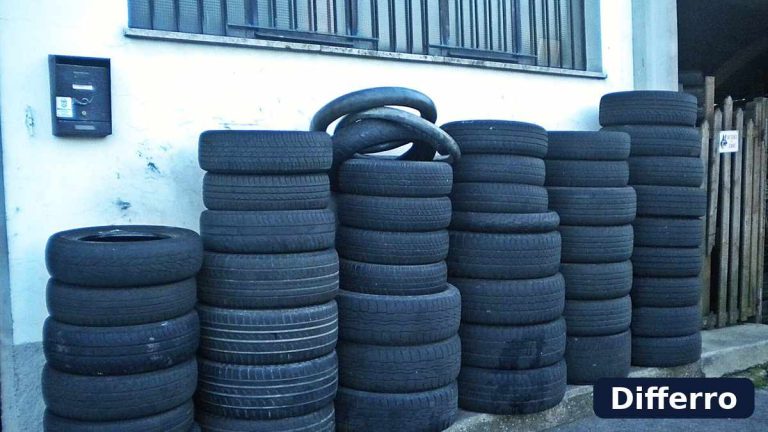
Off-season tires usually end up stacked in a corner, resting on concrete and slowly ageing in the light. Rubber degrades under heat, ultraviolet light, ozone and uneven load, and a neglected stack invites all four at once.
This guide works through the three rack designs, how to match one to a real garage, the preparation that protects the rubber, and the habits professional shops use to keep hundreds of sets organised.
Why Tire Storage Deserves More Attention Than Most Homeowners Give It
A quality set of seasonal tires is a significant purchase, and storage decides how much of that value survives to the next swap. Heat, sunlight and ozone all attack rubber compounds, and Tire Rack’s storage guidance notes that tires left sitting in direct sun can reach 135 degrees Fahrenheit on the surface.
Physical load does quieter damage. A tire resting under a heavy stack for months can distort, and one hung from a single hook carries its weight at one stressed point on the bead.
A rack answers both problems at once. It lifts tires off the floor, spreads the load evenly, and keeps the set in a shaded, ventilated spot away from fuel, solvents and electric motors.
The Cost Equation Homeowners Often Overlook
The rack itself is the smallest figure in the calculation. The larger costs are a set replaced a season early, garage space lost to a sprawling stack, and the risk of an unsecured pile toppling onto a car or a person.
A modest rack that extends the usable life of two tire sets by even one season pays for itself. The saving grows in households storing sets for more than one vehicle.
Tire Storage Racks at a Glance
The three designs differ mainly in which surface of the garage they claim: the floor, the wall or the ceiling.
| Rack type | Where it sits | Best for | Watch out for |
|---|---|---|---|
| Freestanding | On the floor, no fixings | Renters and flexible layouts | Uses the most floor space |
| Wall-mounted | Bolted to wall studs | Freeing up floor space | Anchoring must be structural |
| Ceiling-mounted | Suspended overhead | Small garages with tall ceilings | Ladder access with heavy tires |
Shoppers comparing rack hardware face the same store choice as any garage project — the comparison in Lowes or Home Depot shows how the two big chains differ. Either way, the rack’s rated capacity and your tire sizes should settle the decision, not the shelf price.
Understanding the Core Rack Designs Available to Homeowners
Residential racks fall into a small number of structural categories. The differences are not cosmetic: each design manages load, access and space in a fundamentally different way.
Floor-Standing Freestanding Units
Freestanding racks sit on the floor with no wall attachment, holding each tire in its own cradle or between angled support arms. They are the natural starting point for homeowners who cannot or do not want to modify garage walls.
They are easy to position and just as easy to move when the layout changes. The trade-off is footprint: a unit holding eight tires claims a meaningful share of a single-car garage.
Wall-Mounted Rack Systems
Wall-mounted systems bolt to studs or masonry and hold tires in individual cradles out from the wall. The floor stays clear for vehicles and tools, and every tire sits at a consistent height for inspection and retrieval.
Installation is the serious part. The anchors carry the combined weight of the full set, season after season, so they must land in structural support. A system that pulls loose under load risks damage and injury, and uncertain anchoring is a reason to call a contractor.
Ceiling-Mounted and Overhead Storage
Overhead systems suspend a platform or pulley rig from the ceiling, using vertical space that otherwise goes to waste. In a garage with eight feet of ceiling height or more, a full set can live above the car without touching floor or wall space.
Access is the cost. Retrieving tires means a ladder and handling heavy wheels at height, which suits households whose swaps are twice-yearly and professionally fitted better than frequent self-service.
Matching Rack Configuration to Garage Layout
The best setup is the one that keeps working inside the real constraints of the space. A rack bought on capacity alone can end up blocking a car door, crowding shelving, or making every swap a rearrangement project.
Assessing the Space Before Selecting a Rack
Measure more than the empty floor. Consider how the garage is used across the year, because winter brings wet gear, snow equipment and holiday storage competing for the same square feet.
Placement shapes the routine. A rack along a side wall near the door lets tires come and go without moving the vehicle, while one behind a parked car adds friction to every swap until the system quietly stops being used properly.
Tire Dimensions and Rack Compatibility
Rack sizing is a detail that catches people out. Truck, SUV and crossover tires are significantly larger than sedan tires, and a rack built around standard passenger dimensions may not accept a wider profile without modification.
Weight needs the same realism. Check the rack’s rated capacity against the combined weight of your heaviest full set, wheels included, rather than a single tire. Discount Tire’s tire storage advice makes the same point from the retail side: the storage setup has to suit the actual tires, not the average ones.
How to Prepare Tires Before They Go on the Rack
Preparation starts before the rack is involved. Whichever spelling a household uses — tyre or tire — the routine is identical: wash each tire with soap, water and a brush to remove brake dust, dirt and road salt, then dry it completely.
Skip the tire dressings. Tire Rack advises against applying any before storage, because tire compounds are already formulated to resist ozone cracking and weather checking.
Bag each clean, dry tire in its own large, opaque, airtight plastic bag, squeeze out as much air as practical, and tape it shut. Kwik Fit’s tyre storage steps describe the same sealed-bag method, which slows the evaporation of the rubber’s natural oils.
Position: Upright, Racked or Stacked Flat
Position follows the wheel question. Unmounted tires keep their shape best standing upright or racked sidewall to sidewall, while tires still mounted on rims can be stacked flat or shelved, because the wheel carries the load.
What Professional Installers and Shop Operators Do Differently
Shops storing hundreds of customer sets run on consistency. Every set is labelled, given a defined space, and stored so identification and retrieval never involve searching or guessing.
Homeowners can copy the system cheaply. A label on each set recording the vehicle, the season and the removal date turns storage into a record, and it prompts a proper inspection for wear, cracking or deformation before the set goes back on.
Professionals also mind the air. Storage areas stay dry and ventilated, and tires are kept away from motors, compressors and welding equipment, all of which generate the ozone that accelerates rubber degradation.
Closing Considerations for Homeowners Planning a Seasonal Setup
Seasonal storage rewards a modest investment in structure. A well-chosen rack, placed where the garage’s real traffic allows, simplifies the twice-yearly swap and protects the tires between seasons.
The variables interact: rack type, placement, tire size, load rating, ventilation and workflow. None is complicated alone, but a poor choice on any one of them undermines the rest, so the decision deserves the same care as any other maintenance purchase.
Frequently Asked Questions
Should tires be stored flat or upright?
Unmounted tires store best upright, which limits distortion and flat spots. Tires mounted on rims can be stacked flat or placed on shelves, because the wheel supports the weight and holds the tire’s shape.
Do tires really need to be bagged before storage?
Yes, if the storage lasts a season. A sealed, airtight bag around each clean, dry tire reduces oil evaporation from the rubber and shields it from humidity swings, slowing the drying and cracking that age a tire in storage.
How much weight can a home tire rack hold?
It varies by design, and the maker’s rating is the only figure that counts. Add up the combined weight of your full set, wheels included, and choose a rack rated comfortably above it, especially for wall-mounted systems.
Can tires be stored in a shed or attic instead of a garage?
They can, but it is a compromise. Sheds and attics swing between hot and cold far more than a house-connected garage or basement, and heat is one of the main drivers of rubber ageing during storage.
How long can tires stay in storage before they are used again?
Properly bagged and kept out of sun and cold, a stored set can remain serviceable for years. Age still counts, so inspect every tire for cracks and damage before refitting, and have a professional check anything doubtful.
Conclusion
A tire storage rack earns its place by doing three quiet jobs: holding the set off the floor, spreading its weight evenly, and keeping rubber away from sun, heat and ozone.
Match the design to the garage you actually have, prepare each tire before it goes up, and label the set like a shop would. The next seasonal swap then starts with tires in the condition you stored them.

