

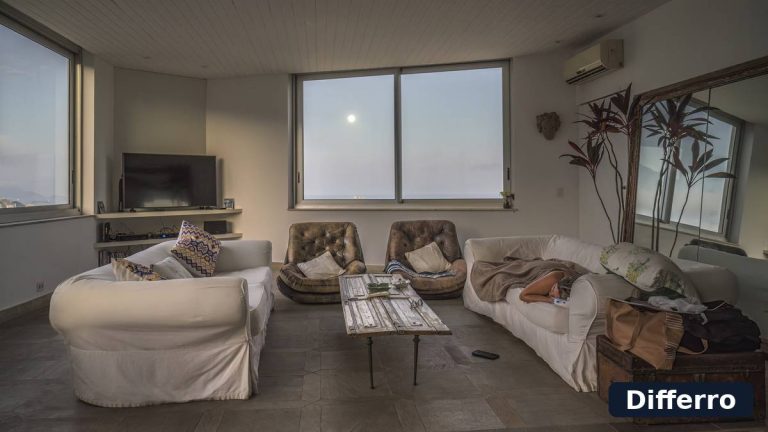
The honest reason to take breathe easier why indoor air quality deserves your attention seriously is where your breathing actually happens. The US Environmental Protection Agency notes that most people spend about 90 percent of their time indoors, mostly at home.
Indoor air is not automatically clean air. Pollutants released inside a sealed home have nowhere to go, and the EPA’s TEAM studies found levels of about a dozen common organic pollutants two to five times higher inside homes than outside.
This guide walks through what is actually floating in your air, how poor quality shows up in daily life, the habits that genuinely help, and the point where a professional assessment beats guesswork.
What’s Actually Floating in Your Home’s Air?
Every home carries a mix of particles and gases, most of them invisible. Dust, pollen and pet dander drift in from daily life, while dust mites and mold spores settle into carpets, upholstery and bedding.
The Gases You Cannot See
Volatile organic compounds, or VOCs, evaporate from paints, cleaning sprays, air fresheners, stored fuels and pressed-wood furniture. The EPA reports that concentrations of many VOCs are consistently higher indoors — up to ten times higher — than outdoors.
Combustion adds its own share. Gas stoves, heaters and fireplaces can release nitrogen dioxide and carbon monoxide, and the EPA warns that an improperly adjusted gas stove can emit significantly more carbon monoxide than a well-tuned one.
Moisture is the quiet multiplier. Excess humidity feeds mold growth and dust mites, while radon, pesticides and outdoor pollution can also seep in from outside, as the EPA’s introduction to indoor air quality explains.
Indoor Air Quality at a Glance
The short version, before the detail: most indoor pollutants fall into five groups, and each one has a sensible first move.
| Pollutant group | Common sources at home | First fix |
|---|---|---|
| Dust, dander and pollen | Carpets, bedding, pets, open windows | Vacuum with HEPA filtration, wash bedding hot |
| Mold spores | Damp bathrooms, leaks, condensation | Fix the moisture, then clean the growth |
| VOCs | Paints, cleaners, air fresheners, new furniture | Ventilate, choose low-VOC products |
| Combustion gases | Gas stoves, heaters, fireplaces, tobacco | Vent outdoors, service the appliance |
| Radon | Soil gas entering through the foundation | Test the home, then seal and vent |
No single gadget covers all five rows. The households that improve their air fastest work through the rows in order: remove the source, then ventilate, then filter what remains.
How Poor Air Quality Shows Up in Daily Life
The early effects are easy to miss. The EPA lists irritation of the eyes, nose and throat, headaches, dizziness and fatigue among the immediate effects of indoor pollutants, and asthma symptoms can show up or worsen after exposure.
The confusion is that these symptoms look like a cold. The EPA notes that immediate effects can resemble colds or viral illnesses, which is why indoor complaints are often blamed on allergies or a passing virus instead.
Watch the pattern instead of the single symptom. If headaches or sneezing fade when you leave the house and return when you come back, the building itself deserves a look — along with musty odors, visible mold and dust that reappears within days.
Simple Habits That Make a Real Difference
The EPA’s guidance on improving indoor air quality rests on three strategies: control the source, improve ventilation, and clean the air. Source control comes first because it is usually the most effective of the three.
- Ventilate regularly. Open windows when weather permits, and run kitchen and bathroom exhaust fans that vent outdoors, especially while cooking, showering or painting.
- Change HVAC filters on schedule. A clogged filter cannot trap pollutants and forces the system to work harder; the EPA suggests a filter rated at least MERV 13 where the system can handle one.
- Control humidity. Keep indoor relative humidity below 60 percent — ideally between 30 and 50 percent — to discourage mold and dust mites.
- Reduce chemical exposure. Choose low-VOC paints and cleaners where you can, follow label directions, and ventilate well while using them.
- Vacuum with HEPA filtration. A standard vacuum can blow fine particles back into the room; a HEPA filter traps them instead.
Small purchases support the same habits: a hygrometer, spare filters and low-VOC paint all come from the one home-store trip — the errand behind comparisons such as Lowes or Home Depot for bigger projects.
One caution belongs with the habits: most forced-air heating and cooling systems do not mechanically bring in fresh air. Opening windows and running exhaust fans is what actually exchanges the air in most homes.
Common Mistakes That Keep Indoor Air Stale
The first mistake is masking instead of fixing. Scented sprays and plug-in fresheners cover odors while adding more VOCs to the air, and the source underneath — damp, dust or a dirty filter — keeps releasing pollutants.
The second is expecting houseplants to do a filter’s job. The EPA states plainly that there is no evidence a reasonable number of houseplants removes significant quantities of pollutants, and over-watered soil can even encourage microorganisms that bother allergic occupants.
The third is filtering around a moisture problem. Air cleaners cannot solve mold, because mold is a water problem first; until the leak or condensation is fixed, the growth — and the spores — keep coming back.
Why Professional Assessment Beats Guesswork
Guesswork has limits that show up quickly. A store-bought purifier may freshen one room while the real cause — a leaking duct, hidden mold behind a wall, or a ventilation system that barely exchanges air — stays untouched.
A trained technician measures instead of guessing. Professional assessments check particulate levels, hunt for moisture and mold, and test whether the heating and cooling system is moving and filtering air the way it should.
The result is a targeted plan rather than a pile of products. You learn which problem is actually driving your symptoms, which fix matters most, and which purchases can wait — or be skipped entirely.
How Professional Help Lets You Breathe Better
A good service visit follows the evidence from the assessment. Technicians inspect the ventilation system, check for hidden moisture or mold, test filtration efficiency, and then recommend upgrades matched to the home in front of them.
Typical fixes are practical rather than exotic: replacing an outdated filter setup, sealing duct leaks that pull in dusty air, or adding humidity control where moisture keeps winning. Each one targets a cause, not a symptom.
The explanation matters as much as the work. A homeowner who understands what was found — and why each fix was chosen — can keep the gains with simple habits instead of sliding back into stale air.
Take the First Step Toward a Healthier Home
Start with the free checks. Note when symptoms appear and fade, read the humidity with a cheap hygrometer, and check the date on your furnace filter; those three observations already point at the likeliest cause.
If the signs persist — allergy symptoms that never quite lift, musty smells, air that stays stale however often you clean — book an assessment. Small moisture and ventilation problems grow more complicated and costly the longer they sit.
Frequently Asked Questions
How often should I change my HVAC filter?
Follow the manufacturer’s schedule and check the filter monthly in heavy-use seasons. The EPA stresses that all filters need regular replacement: a dirty, overloaded filter stops trapping particles well and makes the system work harder for less clean air.
Can houseplants clean the air in my home?
Not in any measurable way at normal numbers. The EPA found no evidence that a reasonable number of houseplants removes significant quantities of pollutants, so enjoy them for looks and mood — and let ventilation and filtration do the cleaning.
What indoor humidity level should I aim for?
Below 60 percent, and ideally between 30 and 50 percent, according to the EPA’s mold guidance. Staying in that band discourages mold growth and dust mites; a simple hygrometer, checked in the rooms you use most, tells you where you stand.
Do air purifiers actually help?
They help as a supplement, not a substitute. The EPA’s guide to air cleaners in the home explains that filtration works alongside source control and ventilation, and warns against models that intentionally produce ozone, a lung irritant.
Why does my home still smell musty after cleaning?
Because the smell usually comes from a moisture source that cleaning does not touch: damp in walls, a slow leak, or condensation that keeps returning. Find and fix the water problem, clean up any growth, and the odor loses its supply.
Conclusion
Indoor air quality deserves attention because it is the air you actually live in — roughly 90 percent of the day, by the EPA’s measure. The encouraging part is how ordinary the fixes are: fewer sources, fresher air, working filters.
Start with the habits, watch the pattern of your symptoms, and bring in a professional when the evidence points deeper. A home that breathes well is not a luxury; it is maintenance, done in the right order.

