

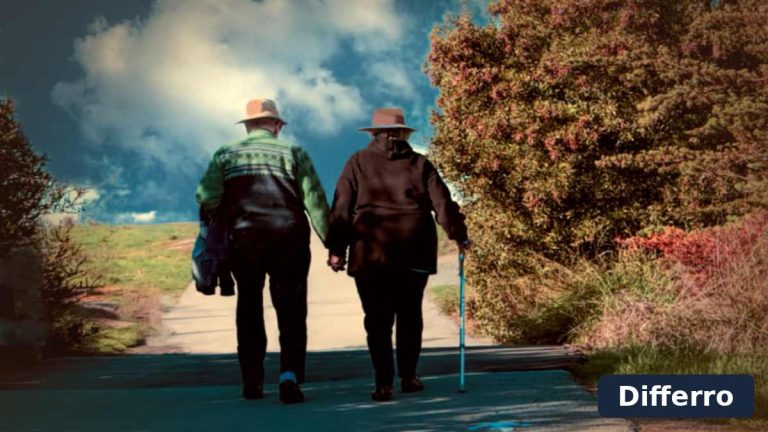
The phrase aging well beyond the doctors office how everyday environments shape senior health sounds like a slogan, but it describes a serious research finding. The World Health Organization notes that most of the variation in older people’s health comes from their physical and social environments, not from their genes alone.
By 2030, one in six people worldwide will be aged 60 or over. Where those people live — the home, the street, the neighbourhood — shapes how strong, steady and connected they stay, often as powerfully as any prescription.
This guide walks through the everyday levers that matter most: the living arrangement, daily movement, mental stimulation, social contact, food, home safety and emotional support. None of them replaces medical care, but together they decide how much of later life is lived on your own terms.
Choose Living Environments That Encourage Healthy Aging
A home can either work with an older person or against them. Level access, a bathroom that is easy to use and shops within walking distance quietly support independence every single day.
The World Health Organization’s fact sheet on ageing and health calls safe, accessible public buildings and transport, and places that are easy to walk around, the marks of a supportive environment. The same logic applies at the scale of a single house or flat.
For families comparing senior living communities, the useful questions are practical ones. Can residents reach help quickly, join activities without a car journey, and move between levels of support as their needs change?
The Everyday Environment at a Glance
The short version: healthy ageing is built from surroundings that make the healthy choice the easy choice.
| Part of daily life | What supports health | What quietly undermines it |
|---|---|---|
| Movement | Walkable streets, nearby parks and classes | Car-only layouts, no safe pavements |
| Mind | Libraries, courses, discussion groups | Days with nothing new to learn |
| Social contact | Shared meals, clubs, volunteering | Long stretches without visitors |
| Food | Accessible shops, a workable kitchen | Skipped meals, little protein or fluid |
| Safety | Lighting, handrails, nonslip floors | Loose rugs, clutter, dark hallways |
No single row decides anything on its own. It is the accumulation of small daily frictions — or small daily helps — that adds up over years.
Make Everyday Movement a Natural Part of Life
Movement protects muscle, balance, joints and mood, and it does not have to look like a workout. Walking to the shops, gardening and climbing the stairs all count.
WHO guidelines call for at least 150 minutes of moderate activity a week for adults, and WHO links regular activity in older age with a reduced risk of falls and better sleep and cognitive health.
Balance and Strength Deserve Their Own Slot
The National Institute on Aging singles out balance and strength work as fall protection. Tai chi, yoga and resistance exercises with bands or light weights all build the steadiness that everyday life demands.
Enjoyment is the deciding factor in whether activity survives. A morning walk with a neighbour or a gardening club is far easier to keep than a programme that feels like a chore.
Protect Cognitive Health Through Curiosity and Learning
An environment rich in things to learn keeps the mind working. Libraries, evening classes, discussion groups and even a new phone or tablet all provide material to think about.
Honesty matters here: no class or puzzle can guarantee protection against dementia. What learning reliably offers is engagement, confidence and a reason to get up with a plan for the day.
Variety helps. Reading, music, languages and practical skills exercise different parts of the mind, and group formats add social contact to the mental workout at no extra cost.
Recognize Social Connection as a Health Priority
About 28 percent of older adults in the United States live alone, according to figures cited by the National Institute on Aging. Living alone is not the same as being lonely, but both isolation and loneliness are linked to higher risks of heart disease, depression and cognitive decline.
The Institute’s research summary on social isolation and loneliness in older people finds that people who take part in meaningful activities with others tend to live longer, feel better and keep a sense of purpose. Volunteering and caregiving count, because both give connection a structure.
The practical lesson is to build contact into the environment itself. A bench outside the front door, a shared lunch table and a weekly club all make conversation happen without special effort.
Make Nutrition Support Changing Health Needs
Appetite, taste and thirst signals can all dull with age, so the environment has to do some of the reminding. A stocked kitchen, regular mealtimes and food that is easy to prepare all protect against quietly eating too little.
Protein matters more, not less, in later life, because it defends the muscle that keeps people mobile. Varied vegetables, fruit, whole grains and dairy or fortified alternatives round out the pattern most guidelines describe.
Fluid deserves the same attention, because thirst is an unreliable signal in later life. Simple flavoured drinks help: our guide to lemon water benefits explains why a jug kept in the fridge tends to get finished.
Design Safer Spaces Without Sacrificing Independence
More than one in four people aged 65 or older fall each year, and many of them fall at home. The encouraging part is how ordinary the fixes are: better lighting, secure handrails, nonslip bathroom surfaces and clear walking routes.
The National Institute on Aging’s guidance on falls and fractures in older adults pairs home changes with three habits: stay active, have your medicines reviewed, and get your eyes and hearing tested. Small changes in sight or balance are easy to miss until a fall reveals them.
Safety should never feel like a hospital ward. Warm lighting, familiar furniture and personal objects can stay; the goal is to remove hazards while keeping the home recognisably the person’s own.
Support Emotional Wellness During Major Life Transitions
Retirement, bereavement and a move to a smaller home can all arrive in the same few years. Even welcome changes ask for adjustment, and rushed decisions add strain exactly when resilience is lowest.
Being included in decisions is itself protective. Older adults who help choose a new home, a new routine or new support arrangements keep a sense of control that no service can substitute for.
One caution deserves plain words: persistent sadness, anxiety or withdrawal is not simply “old age”. When low mood interferes with daily life, it deserves the same professional attention as any physical symptom.
Build a Wellness Routine That Adapts Over Time
The best routine is a flexible one. Checkups, medication reviews and honest conversations about changing abilities work best when they happen early, before a difficulty becomes a crisis.
Coverage shapes whether those checkups actually happen, which is why understanding your entitlements matters — the Wellcare Medicare vs Medicaid comparison on this site walks through who qualifies for what. Knowing the paperwork removes one more barrier between intention and appointment.
Above all, the person at the centre should help design the routine. A plan built around someone’s real preferences — their walk, their club, their mealtimes — is the plan still standing in six months.
Common Mistakes When Shaping a Senior’s Surroundings
The first mistake is doing everything at once. A home transformed in a weekend can feel like someone else’s house; small changes, introduced one at a time, are accepted far more easily.
The second is removing risk by removing life. Banning the garden, the stairs or the solo walk may cut hazards, but it also cuts the activity and confidence that keep a person well.
The third is deciding for, rather than with, the older person. Families acting from love still get better results when the senior’s own priorities lead the conversation.
Frequently Asked Questions
What does healthy ageing actually mean?
The World Health Organization defines it as the process of developing and maintaining the functional ability that enables well-being in older age. In plain terms, it means keeping the ability to do the things that matter to you.
Which home changes reduce fall risk the most?
Start where falls happen: the bathroom and the stairs. Nonslip surfaces, grab rails, secure handrails, brighter lighting and clear walking routes address the commonest hazards without changing how the home feels.
How much exercise does an older adult need?
WHO guidelines suggest at least 150 minutes of moderate activity a week, built from walking, gardening or classes. Balance and strength work a few times a week adds direct protection against falls.
Can staying socially active really affect physical health?
Yes. Research reviewed by the National Institute on Aging links isolation and loneliness with higher risks of heart disease, depression and cognitive decline, while meaningful activity with others is linked to longer life and better mood.
When should a family consider a senior living community?
When the current home can no longer be made safe or manageable with reasonable changes, or when loneliness and daily tasks are overwhelming. The right time is a decision to make with the older person, not for them.
Conclusion
Health in later life is written into the day itself: the walkable street, the lit hallway, the shared table and the class worth getting up for. Doctors treat illness, but environments shape the days between appointments.
That is the hopeful message of the UN Decade of Healthy Ageing, which runs to 2030. Small, thoughtful changes to everyday surroundings — made with the older person, not around them — compound into strength, confidence and connection.

