

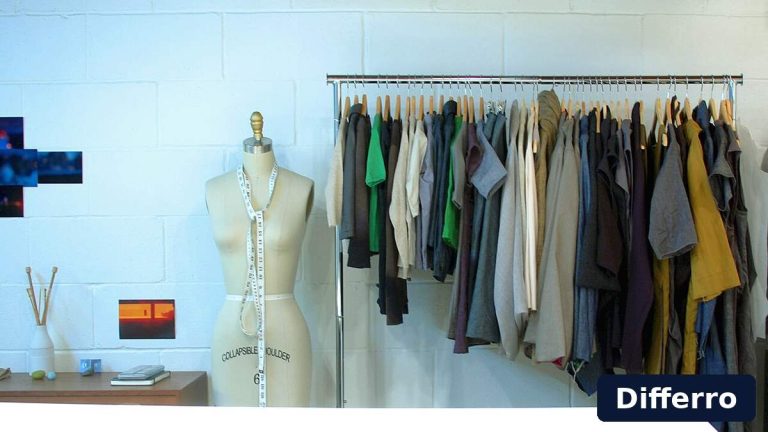
The clearest way to picture fresh american wardrobe trends inspired by essentials is a short rail of clothes that all work together: soft hoodies, plain T-shirts, relaxed sweatpants and layers in calm, neutral colours.
Nothing on that rail shouts. The shapes are relaxed, the logos are small or absent, and every piece earns its place by pairing with several others. Comfort leads, but the result still looks deliberate.
This guide walks through the trends behind that rail: minimalist dressing, everyday streetwear, neutral colours, layering, fabrics and footwear. It ends with the mistakes that make simple clothes look careless instead of clean.
Fresh American Wardrobe Trends at a Glance
The whole approach rests on a small set of hard-working pieces. Get these right and most outfits assemble themselves.
| Piece | What it does | Pairs with |
|---|---|---|
| Relaxed hoodie | Warmth and the streetwear shape | Jeans, joggers, layered under a jacket |
| Plain crew-neck T-shirt | The base layer for everything | Sweatshirts, overshirts, tailoring |
| Sweatshirt or crewneck | A smarter step up from the tee | Straight-leg jeans, relaxed trousers |
| Sweatpants or joggers | Comfort that still looks intentional | Hoodies, tees, clean sneakers |
| Straight-leg jeans | The bridge between casual and smart | Almost everything on the rail |
| Neutral overshirt or jacket | The finishing layer | Tees and sweatshirts in the same palette |
Notice what is missing: no statement prints, no one-occasion buys, nothing that only works with a single partner. Each piece covers several settings, which is exactly the point.
The Growing Popularity of Minimalist American Fashion
Minimalist fashion has moved from a niche preference to a default setting in American dressing. Instead of busy patterns and heavy branding, it favours clean lines, coordinated colours and pieces that repeat well across a week.
The appeal is practical as much as visual. A smaller set of versatile clothes shortens the morning decision, packs more easily and wears out more slowly, because each item is chosen to be used rather than admired once.
Essentials-style dressing sits inside this shift. Hoodies, sweatshirts and plain tees in black, grey, beige, cream and white form the base, and seasonal accessories supply the variation.
Comfortable Streetwear for Everyday Activities
Streetwear supplies the shapes. The history of streetwear runs from the hip-hop culture of late-1970s New York through Californian surf and skate influences to global popularity in the 1990s, and its relaxed uniform still sets the pattern.
Translated into a daily wardrobe, that means relaxed hoodies, oversized or boxy sweatshirts, joggers and simple T-shirts worn for shopping, travel and weekends. The clothes are casual, but the styling is not random.
Balance is what separates the look from loungewear. One relaxed piece at a time, colours kept in the same family, and proportions considered: a wide top over straighter trousers, or loose bottoms under a neater sweatshirt.
Building a Versatile Wardrobe with Essential Basics
Versatility starts with buying for combinations, not occasions. A plain T-shirt works alone in summer, under a sweatshirt in autumn and beneath a jacket for a casual evening, so it justifies its hanger three seasons a year.
The idea has a name and a history. The capsule wardrobe concept — a few essential, coordinating pieces topped up seasonally — was revived by London boutique owner Susie Faux in the 1970s and popularised by Donna Karan’s seven interchangeable pieces in 1985.
You do not need to count pieces as strictly as that. The working rule is simpler: if a new item does not pair with at least three things you already own, it probably does not belong on the rail.
Neutral Colors and Modern American Style
Neutrals do the quiet work in this wardrobe. Black and charcoal give an urban edge, while beige, cream, stone and soft grey lighten the same pieces for spring and daytime wear.
Because the base colours sit close together, almost everything combines. That is what makes a small wardrobe feel larger: ten pieces in one palette can produce more outfits than twenty pieces in clashing colours.
Accents still have a place. Muted green, navy or burgundy, added one item at a time, keeps the simplicity while giving the eye somewhere to land. Bright colour works best as the exception, not the system.
Layering Techniques for Changing Seasons
American weather rarely holds still, and layering is the practical answer. A T-shirt under a sweatshirt under an open jacket can be adjusted three times in a single day without changing the outfit’s character.
In autumn, light layers carry most days. Winter asks for a hoodie beneath insulated outerwear, with heavier trousers and weather-ready footwear. Spring reverses the process, dropping back to cotton layers and open overshirts.
Keep each layer in the same colour family and let lengths differ slightly. A longer tee under a cropped sweatshirt, or a jacket falling below the hip, adds shape without adding noise.
Casual Outfits for Work, Travel, and Social Occasions
The same basics change meaning with context. For travel, a soft sweatshirt, relaxed trousers and supportive sneakers handle airports and long drives while still looking presentable at the other end.
For social occasions, keep the sweatshirt but sharpen the partners: structured denim, a clean jacket and tidy footwear move the outfit from errands to dinner without a full change.
In workplaces with relaxed dress expectations, a plain T-shirt under a smart jacket can strike the balance. The rule is to dress for the most formal moment of the day, not the most casual one.
Choosing Fabrics for Comfort and Durability
Fabric decides how long a basic stays a favourite. Cotton remains the default for T-shirts and sweatshirts because it feels soft against the skin, breathes in warm weather and softens further with washing.
Blends adjust the trade-offs. Cotton mixed with synthetic fibres usually holds its shape better and dries faster, while fleece linings add warmth for winter hoodies. Heavier fabrics tend to drape with more structure; lighter ones layer more easily.
Before buying, check the unglamorous details: stitching that lies flat, a collar that keeps its shape, and care instructions you will actually follow. Washing basics gently and drying them with care preserves colour, texture and fit.
Footwear and Accessories That Complete the Look
Footwear anchors the outfit. Clean white sneakers suit almost every neutral combination, while black trainers ground darker clothing. Boots take over in winter, adding both grip and visual weight.
Accessories should support rather than compete. A baseball cap, a practical backpack, a denim jacket over the arm or an understated watch adds personality without disturbing the clean lines underneath.
The discipline is in stopping. One or two considered additions finish an outfit; five compete with each other and undo the calm that makes the style work.
Sustainable Shopping and Smarter Wardrobe Choices
A fresh wardrobe does not require a full replacement. Start by auditing what you own, wearing what still works and listing the genuine gaps. Most people find the gaps are fewer, and more specific, than expected.
The stakes are real: the US Environmental Protection Agency estimated that textiles generated in the United States reached 17 million tons in 2018 alone. Clothes bought to be worn for years push against that pile; clothes bought for a weekend add to it.
Secondhand rails, repairs and proper care all extend a garment’s life. So does choosing brands that state plainly what their clothes are made of and how they are produced.
Personal Expression Through Contemporary American Fashion
Simple clothes still leave room for a signature. Some people lean into oversized silhouettes and relaxed streetwear; others prefer structured jackets, fitted T-shirts and classic denim. Both are working from the same plain ingredients.
Fit is part of that vocabulary. A waisted cut is shaped in at the waist, while the relaxed cuts above fall straight — knowing which you are choosing is the difference between a deliberate silhouette and an accidental one.
Treat trends as ingredients rather than instructions. Proportion, texture and one seasonal colour can make a repeated outfit recognisably yours without depending on whatever is loudest this month.
Common Mistakes When Building an Essentials-Inspired Wardrobe
The first mistake is buying basics in the wrong size on purpose. Relaxed is a designed proportion, with shoulders and length in balance; simply sizing up two sizes reads as borrowed, not oversized.
The second is treating neutral as a synonym for identical. Five grey tops in the same weight and cut are one outfit repeated. Vary the textures and silhouettes — knit against denim, matte against slight sheen — while the palette stays calm.
The third is neglecting condition. Basics show everything: a faded collar, a stretched hem or scuffed sneakers undermine the whole effect, because there is no print or logo to distract the eye.
Frequently Asked Questions
What does “essentials” mean in these wardrobe trends?
It describes a style rather than a shopping list: pared-back basics such as hoodies, sweatpants and plain T-shirts, usually in neutral tones and relaxed fits. Minimalist streetwear labels popularised the look, but the approach works with any well-made basics.
Which colours should an essentials-inspired wardrobe start with?
Black, grey, beige, cream and white form the working base, because they combine freely with one another. Add muted accents such as navy, olive or burgundy one piece at a time once the base is settled.
How many pieces make a versatile basics wardrobe?
There is no fixed number. The capsule wardrobe idea works with a small set of coordinating staples — Donna Karan’s famous 1985 collection used just seven interchangeable pieces — topped up with a few seasonal items each year.
Can essentials-style basics be worn to work?
In workplaces with relaxed dress codes, yes. A plain T-shirt or sweatshirt under a structured jacket, with tidy trousers and clean shoes, reads as intentional. Formal offices still call for shirts and tailoring instead.
How do I stop plain basics looking boring?
Work with proportion, texture and one accent. Mix a wide leg with a shorter top, knit against denim, or add a single muted colour. Keep footwear clean and current; with plain clothes, shoes carry unusual weight.
Conclusion
Fresh American wardrobe trends reward restraint. A short rail of neutral, comfortable, well-made basics covers more of real life than a closet of one-occasion pieces ever will.
Build slowly, buy for combinations, and let fit and fabric do the talking. The result is a wardrobe that feels current this year and still makes sense in five years’ time.

