

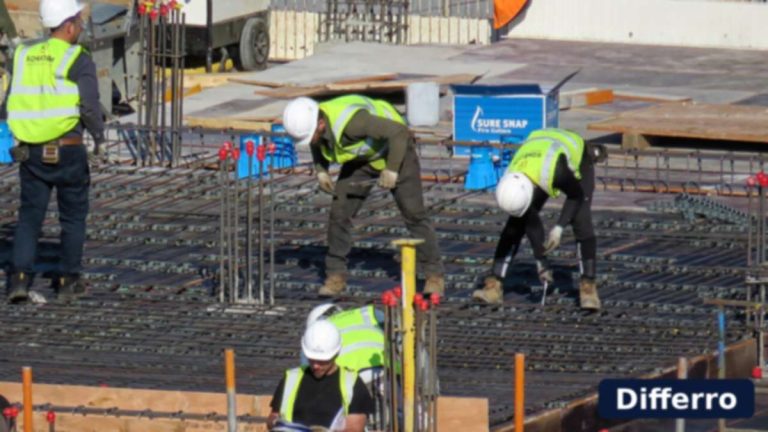
The first aid at work construction sites requirements come from one short set of regulations, yet they decide far more than the contents of a green box. They set who must be trained, what must be provided and how quickly help reaches a casualty.
Construction is classed as higher-hazard work, so the provision expected on a building site goes well beyond the office minimum. Falls, moving plant, power tools and dust can all produce injuries that cannot wait for an ambulance alone.
This guide explains the legal duty, the needs assessment that shapes it, the difference between an appointed person and a first-aider, and the kit and training a site actually needs.
The Law Behind First Aid on Building Sites
The Health and Safety (First-Aid) Regulations 1981 require every employer to provide adequate and appropriate equipment, facilities and personnel. The aim is simple: an employee who is injured or taken ill at work gets immediate attention.
The duty covers every workplace, including sites with fewer than five employees, and it extends to the self-employed working for themselves. On a multi-employer site, one employer usually takes charge for everyone under a written agreement.
Why Construction Counts as Higher Hazard
HSE treats construction as a higher-hazard activity because the injury pattern is more severe than in offices or shops. Falls from height remain the leading cause of fatal injury in the industry, year after year.
That risk profile matters because the regulations never set one fixed package. What is adequate on a small refurbishment job will fall short on a multi-storey frame with sixty workers and tower cranes.
Start With a First-Aid Needs Assessment
Before buying kits or booking courses, the employer must carry out an assessment of first-aid needs. HSE is clear that this assessment, not a catalogue, decides what a site provides.
The assessment weighs the hazards of the work, the size and spread of the workforce and the site’s accident history. It also covers shift patterns, lone and remote working, and how far the site sits from emergency services.
- The type of work and its specific hazards
- How many people work on site, and where they are spread
- Past accidents and the injuries they caused
- Shift patterns, night work and cover for absences
- Distance and travel time to the nearest hospital
- Workers with known health conditions, and the public nearby
The assessment does not have t

